Dog Gum Colors and What They Mean



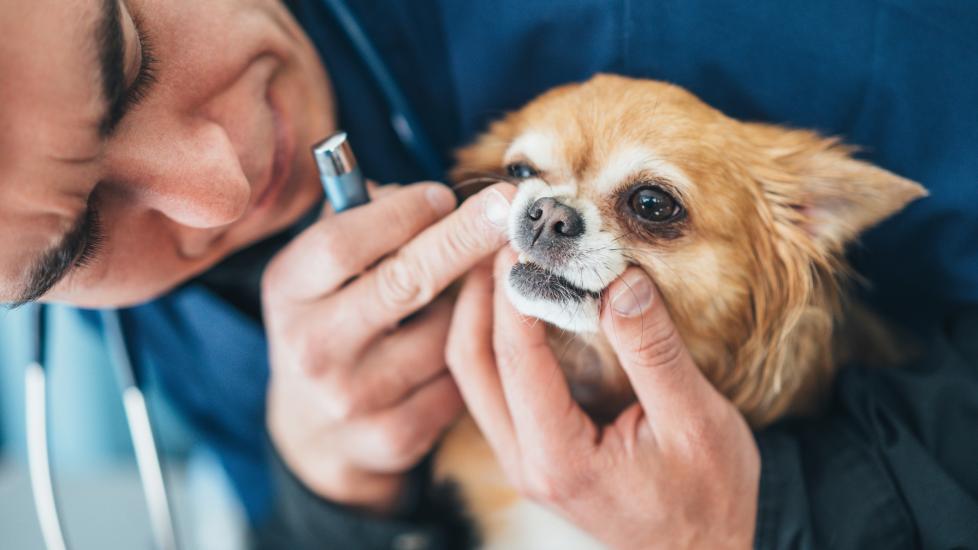
filadendron/E+ via Getty Images
While dog gums are probably not something most pet parents think much about, they can tell a lot about their pet’s health and wellness.
Dog gum color is normally pink—but what happens if it’s pale, yellow, blue, or bright red?
In this article, you’ll learn about the meaning behind changes in a dog’s gum colors and when you should contact a veterinarian.
Key Takeaways
- Healthy dog gums are typically light pink and moist, with a capillary refill time of under two seconds.
- Gum color changes—such as pale, yellow, blue, or bright red—can signal serious health issues like anemia, liver disease, or toxin exposure.
- Regularly checking your dog’s gums can help detect early signs of illness or dental disease that require veterinary care.
What Color Are Healthy Gums in Dogs?
Normal dog gums should be a powder-pink color, like the color of cooked shrimp.
Some dog breeds are prone to pigmented or spotted gums, and this is normal. These breeds include:
-
Some American Pit Bulls and Staffordshires
-
Certain mixed-breed dogs
Most dogs with pigmented gums have pink speckles, which still allows for color assessment.
How to Examine Your Dog’s Gum Color
Follow these steps to examine your dog’s gum color:
-
Use your fingers to gently lift their upper lip or pull down on their lower lip. Note the color.
-
If your dog will allow, feel their gums just above or below a tooth. The gum should be moist to the touch.
-
Gently press on the pink portion of the gums. The gums should turn white. When you stop pressing, the color should turn from white back to pink in less than two seconds (this is called capillary refill time, or CRT).
If you notice that your dog’s gums are discolored or dry, the CRT is greater than two seconds, or there are any new growths, contact your vet to discuss these findings and possibly schedule an appointment for an exam.
Gum Colors in Dogs and What They Mean
Some dog gum colors cause concern for health conditions, while others are normal and of no consequence.
Identifying changes in your dog’s gums helps with speedier diagnosis and treatment.
Let’s look at dog gum colors and what they mean:
-
Pale pink to white gums can be from anemia, shock, poor circulation, or heart disease.
-
Anemia has many causes that can eventually lead to pale pink or white gums. The most common include internal bleeding, immune-mediated disease, clotting disorders, rat poison ingestion, kidney failure, severe internal or external parasitic infections, and bleeding abdominal tumors.
-
-
Inflamed, slightly red gums can be secondary to gingivitis or other oral infections.
-
Puppies will often get slightly reddened gums where the tooth meets the gumline when they are teething. Their teeth may even bleed while chewing, or they may lose teeth, and this is a normal process.
-
In older dogs, certain viruses and kidney disease can cause oral ulceration, which appears as slightly reddened (sometimes bleeding) gums.
-
In dogs with dental disease, their gums may appear slightly reddened at the base of the teeth due to inflammation. Brushing your dog’s teeth with a dog-specific toothbrush and toothpaste (like Virbac) can promote healthy gums.
-
-
Cherry red gums are usually a sign of toxin ingestion, but this is also seen with heatstroke, carbon monoxide poisoning, and severe hypertension (high blood pressure).
-
Yellow gums (also called icteric or jaundiced gums) can be a sign of immune-mediated anemia or liver issues, and this can also be a normal side effect of blood transfusions.
-
Gray, blue, or purple-tinged gums often signal poor circulation or decreased oxygenation. These are most commonly noted with heart disease, severe hypothermia, severe hypotension (low blood pressure), or respiratory diseases.
-
Brown or black spots on the gums can be normal in certain dog breeds (see the list above). If these are new spots that are not normal for your pet, or if they are associated with growths on the gums, they can be signs of cancerous or viral issues.
Signs of Unhealthy Dog Gums
Dog gum color is not the only important thing to monitor when it comes to your dog’s gum health and overall oral health.
Be sure to regularly check your dog’s mouth for:
-
Bleeding gums
-
Ulceration
-
Growths
When To Call Your Vet
If you notice your dog’s gums are not a healthy, pink color, call your veterinarian for guidance as it’s difficult to determine the underlying cause without an exam and possible diagnostic testing.
Changes in a dog’s gum color can be medical emergencies—especially if they are pale or yellow in color—and a veterinarian should be contacted immediately in these cases for the best outcome.