Pale Gums in Dogs: Common Causes and When To Call Your Vet



dimarik/iStock/Getty Images Plus via Getty Images
Pale gums in dogs are never a normal symptom. In fact, this can be a sign of a serious medical in your furry friend.
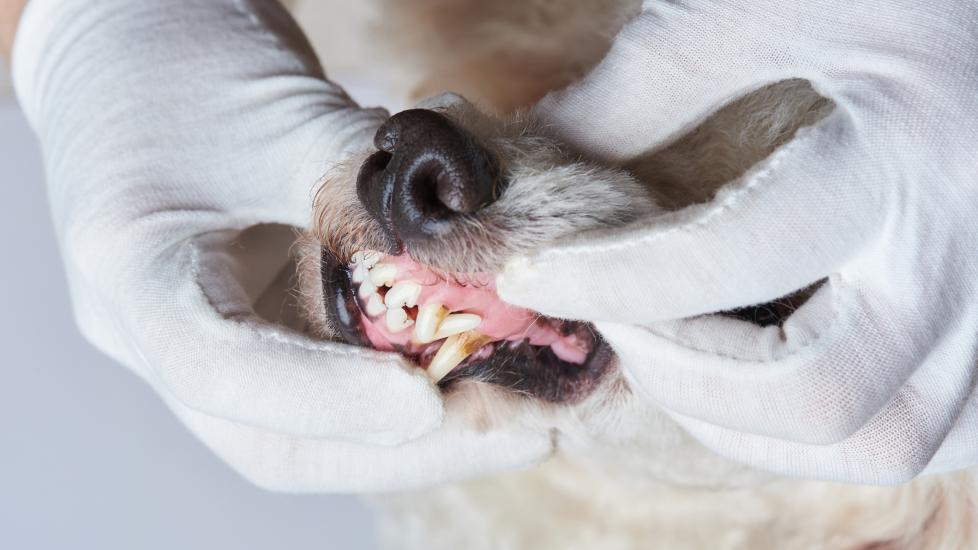
Healthy dog gums should be a variable shade of light pink—or, in some breeds, darker and pigmented—so it’s important to know what your dog’s normal gum color is and how to recognize when there’s a change.
Canine pale gums always mean that a vet visit should be scheduled for the same day, or emergency treatment is needed.
Key Takeaways
- Pale gums in dogs are a medical emergency and always require same-day veterinary care.
- Common causes include anemia, internal bleeding, tick-borne illness, and clotting disorders.
- Early diagnosis and treatment can be lifesaving, depending on the underlying cause.
What Causes Pale Gums in Dogs?
Pale dog gums can happen for many reasons, some more serious than others.
Let’s look at some of the things that can cause your dog’s gums to turn white:
-
Anemia in dogs is the result of low levels of red blood cells (RBCs) in the bloodstream. If left untreated, anemia can be life-threatening. There are many types of anemia in dogs, caused by a wide variety of underlying causes:
-
Severe flea infestations can lead to anemia, since fleas feed off of blood when they bite. This leads to blood loss, and the body may not be able to make more RBCs fast enough.
-
Trauma of being hit by a car and other causes of blood loss, such as a hemoabdomen, can cause a dog to have very light pink or pale gums after developing severe, life-threatening anemia relatively quickly.
-
Immune-mediated hemolytic anemia (IMHA) is a disease in which the body starts to destroy its own RBCs, resulting in a dog getting unusual bruising and pale gums.
-
Tick-borne disease can cause anemia. Ticks feed on your dog’s blood after attaching, similar to how fleas feed on blood. Routine flea and tick prevention is very important.
-
Intestinal parasites such as hookworms often cause pale gums from anemia as well. Hookworms also feed off dog blood.
-
-
Clotting disorders in dogs often cause otherwise healthy dog gums to turn white or pale. Clotting disorders are related to the body’s platelets, another part of a dog’s blood. Immune-mediated thrombocytopenia and von Willebrand disease are common conditions in dogs that cause unusual bleeding, bruising, and pale gums.
-
Rat poison is extremely toxic to dogs. It prevents the blood from clotting, causing pale gums.
-
-
Bloat and gastric dilation-volvulus (GDV) are both extremely dangerous conditions in dogs. A dog’s stomach fills up with food or gas and can twist on itself, cutting off the blood supply to the stomach and spleen. This can cause pale gums in dogs through blood loss or by the injured spleen making fewer RBCs.
-
Shock in dogs is a complex medical emergency caused by a lack of blood in circulation or decreased oxygen levels. This can occur for a variety of reasons, from heatstroke to a snake or spider bite.
-
Kidney disease in dogs can cause pale gums because the kidneys oversee producing erythropoietin (EPO). EPO is what triggers the body to make red blood cells, and with kidney disease comes a lack of production of EPO.
Health Tools
Get quick answers with our vet-created Symptom Checker
When To Call Your Vet About Pale Gums in Dogs
Pale gums in dogs can be a life-threatening emergency.
If you notice that your dog has pale gums and/or the following symptoms, take your pet to the vet right away:
-
Abdominal enlargement
-
Bleeding
-
Bruising
-
Weakness
How Vets Diagnose the Cause of Pale Gums in Dogs
When you arrive at the vet’s office when your dog has pale gums, it’s important to share a thorough medical history including medications, possible toxin exposure, and your pet’s overall health.
Depending on the severity of the condition, your vet might take your dog immediately for diagnostic testing and treatment.
Your vet will perform a physical exam to listen to your pup’s heart and lungs. They’ll also feel your pet’s belly and all the joints and limbs to look for anything abnormal.
Examining the skin, gums, and other mucus membranes (eyes, vulva, prepuce) will help the vet find any abnormal bruising, wounds, or external parasites.
The first diagnostic test for a dog with white gums is lab work, including blood and urine testing as well as a fecal analysis if necessary.
The blood work will help the vet to diagnose anemia and other conditions like tick-borne disease, infection, or clotting disorders. Urine testing will help check kidney function as well as looking for evidence of microscopic blood or protein.
Other tests recommended may include X-rays or ultrasound to look for evidence of blood loss, bloat/GDV, or cancer.
Treatment of Pale Gums in Dogs
If your vet suspects the underlying cause of your dog’s pale gums is life-threatening, they will begin treatment immediately.
Dogs in respiratory distress or severe anemia will often need oxygen therapy to help prevent them from going into respiratory failure.
If your dog’s pale gums are from anemia or blood loss, a blood or plasma transfusion may be needed. Starting your dog on IV fluids will help maintain their blood pressure, which can be low due to many of the causes of pale gums in dogs, or if they are dehydrated.
If your dog has eaten rat poison, vitamin K supplementation is important, and if they have had a spider or snake bite, anti-venom might be an option.
Antibiotics such as doxycycline, dewormers such as fenbendazole, and other supportive care medications could also be given depending on your dog’s diagnosis and symptoms.
Surgery could be needed for bloat/GDV, hemoabdomen, or certain cancers.
Immune-mediated diseases that cause pale gums would likely require your dog to be on lifelong medications to control their condition, such as prednisone or cyclosporine.
Special veterinary diets (like Hill’s k/d Kidney Care or Royal Canin Cardiac) might also be considered for chronic conditions causing pale gums such as kidney and heart disease.
How To Prevent Pale Gums in Dogs
You can help promote your pet’s health and prevent conditions that cause pale gums by:
-
Ensuring your dog gets a high-quality nutritious diet
-
Offering plenty of fresh water (from a dog bowl and/or water fountain) and warm, safe shelter
-
Providing routine preventive care
-
Keeping up with regular flea, tick, and intestinal parasite prevention (like NexGard PLUS or Bravecto).
-
Making sure your dog is not given access to any places where there might be toxins (such as rat poison)
If you notice that your dog has pale gums, seek veterinary advice immediately to ensure their well-being.
Pale Gums in Dogs FAQs
Should I be concerned about my dog’s pale gums?
Yes—pale gums in dogs are always a concern. Bring your pup to the vet immediately.
What to give a dog for pale gums?
Depending on the cause of a dog’s pale gums, they may need medical treatment ranging from oral medication to a hospital stay, blood transfusion, or emergency surgery.
If your dog has pale gums, there is nothing you need to do at home; get them to the vet immediately.
Do dogs get pale gums when sick?
Dogs can get pale gums when they are sick. Conditions such as kidney disease, heart disease, anemia, and bloat can all cause pale gums.
Can gum color indicate dog heart issues?
Pale gums can be a sign of heart disease due to poor circulation or related anemia. This is the result of not enough oxygen-rich blood getting to the gum tissues to keep them pink.