Wet Tail in Hamsters: Symptoms and Common Causes



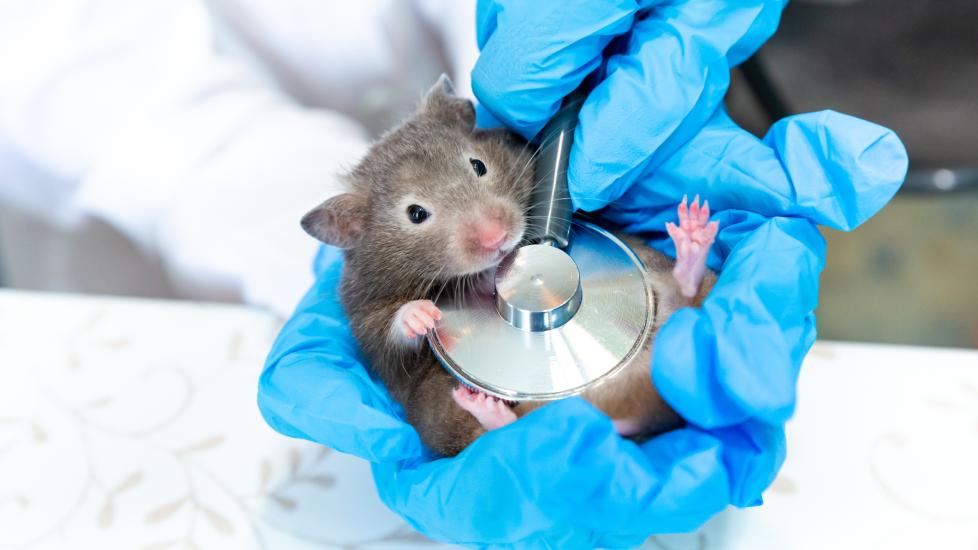
Natalia Duryagina/iStock/Getty Images Plus via Getty Images
What Is Wet Tail in Hamsters?
Wet tail in hamsters is another term for diarrhea. The term “wet tail” comes from the soft stools or diarrhea that can cause wet fur around the bottom or tail in hamsters. Wet tail is often used to describe diarrhea in young hamsters, but diarrhea can occur at any age.
Adult hamsters can also get diarrhea, but this is less common. When the digestive tract is irritated and inflamed (swollen) due to bacterial or parasitic infection, stress, or abnormal nutrition, it leads to this watery diarrhea and wet tail.
Hamsters lose fluids quickly when they have diarrhea. This can lead to dehydration, weakness, decreased appetite, lethargy, and a scruffy coat with a wet tail. Many hamsters will look fluffed up, tired, or stay in hiding because they feel ill.
Since hamsters are so small and can decline very quickly, wet tail is often a medical emergency.
Ideally hamsters with wet tail should be seen by an exotic animal veterinarian within 24 hours.
Hamsters with diarrhea are losing a lot of fluids and can become dehydrated, especially if they are not eating well. Without prompt treatment, they may die.
Key Takeaways
- Wet tail is a serious condition in hamsters marked by diarrhea and dehydration, often caused by infections, stress, or dietary issues.
- Prompt veterinary care is essential, and treatment may include fluids, antibiotics, and supportive care to aid recovery.
- Preventing wet tail involves maintaining a clean, stress-free habitat, feeding a balanced diet, and quarantining new hamsters.
Symptoms of Wet Tail in Hamsters
Symptoms of wet tail in hamsters include:
-
Soft, watery stools
-
Wet, matted fur around tail and belly
-
Decreased or loss of appetite
-
Lethargy
-
Rough hair coat
-
Bloated belly
-
Weight loss
-
Hunched posture
-
Painful belly
Causes of Wet Tail in Hamsters
Wet tail in hamsters typically occurs when the normal good bacterium in the gut is disrupted, causing inflammation or irritation. This can come from infectious and non-infectious causes.
Infectious Causes
These include bacterial, parasitic, and protozoal infections.
Bacterial infections
-
Lawsonia intracellularis (proliferative enteritis), especially in hamsters 3–10 weeks old
-
Clostridium piliforme (Tyzzer’s disease), most common in weanlings around 3–5 weeks old
Protozoa
-
Giardia from young hamsters or contaminated environments such as a food or water dish
Intestinal parasites
-
Tapeworms from other hamsters
-
Pinworms from other hamsters
Non-Infectious Causes
Wet tail can also develop from diet changes, medications, or environmental stress.
Sudden change in pellet brand or formula, feeding too many pellets, feeding too many vegetables or fruits, or feeding too many sugary treats can all upset the intestines and cause diarrhea.
Certain antibiotics like penicillin can kill off the good bacteria in the gut, often leading to an overgrowth of Clostridium, typically causing severe diarrhea.
Recent stress, transportation, high temperatures or high humidity, overcrowding, poor cage hygiene, and spoiled food hidden in a cage can all contribute to digestive upset.
Younger hamsters, ages 3–10 weeks old, are at highest risk for wet tail, but it can happen at any age.
How Veterinarians Diagnose Wet Tail in Hamsters
Veterinarians will use a combination of medical history, physical exams, and diagnostics tests to diagnose the cause of wet tail.
-
Physical exam: Checking hydration status, belly comfort, and the condition of the tail/bottom area
-
Fecal flotation and cytology: Microscopic exam of a poop sample to look for any parasites, harmful bacteria, or protozoa
-
PCR and antigen testing: Looking for genetic material or pieces of protein from bacteria, viruses, and parasites to help with identification
-
Fecal culture and sensitivity: Identify the specific bacteria and then test for the best antibiotic against that bacterium
-
X-rays: The abdomen is imaged to study the intestines
Let your vet know the following information:
-
Any diet changes
-
Any new hamsters in the habitat
-
How their habitat is set up (bring photos!)
-
The temperature and humidity levels of the cage
-
Diet information
-
Any other pertinent facts about your hamster
You can also bring a fresh stool sample to the appointment.
Treatment of Wet Tail in Hamsters
Wet tail in hamsters should be treated as soon as possible by your exotic animal veterinarian.
Many hamsters will recover with early care, but severe cases can be life-threatening. Some hamsters will need hospitalization to get more intensive care and monitoring; others might be cleared to return home the same day after they are checked.
Treatment involves replacing lost fluids subcutaneously (under the skin) or orally (by mouth), decreasing stress, providing heating support, and giving nutritional support (like Oxbow Critical Care Omnivore Small-Pet Supplement) with syringe feeding.
Depending on the cause and severity, treatment can also include pain medications (like buprenorphine), antibiotics (like metronidazole), antiparasitics, or antiprotozoals.
This condition is curable, and many hamsters can recover fully if treated early. Improvement is often seen in two to three days, but full recovery can take longer depending on the severity of the condition.
Recovery and Management of Wet Tail in Hamsters
Many hamsters will show improvement with treatment in a few days, but recovery and treatment can take one to two weeks or more.
Follow-ups with your veterinarian during the recovery process are very important to make sure your hamster is recovering well.
Give medications and treatments as instructed by your veterinarian. During recovery, make sure to minimize stress around the enclosure and minimize handling or time outside the enclosure.
It’s important to not make any dietary changes outside of the recommendations from your vet. Watch appetite, energy levels, and fecal output daily.
Spot-clean the cage daily and deep-clean weekly during treatment with a small pet-safe cleaner (like Nature's Miracle Small Animal Cage Cleaner Spray).
Prevention of Wet Tail in Hamsters
To help lower your hamster’s risk of wet tail, make sure to keep them in a stress-free, temperature-controlled, appropriate habitat.
Make sure to clean the cage daily, removing any urine-soaked bedding, poop, and any residual or hidden food. A full deep-clean of the cage should be done weekly. Quarantine any new hamsters for at least 30 days before introducing them to other hamsters.
Keep hamster food in an airtight container to prevent spoilage and contamination. Do not overfeed veggies or fruits, and make sure to feed your hamster a healthy, well-balanced diet.
With any dietary changes, consult your primary veterinarian first.
Wet Tail in Hamsters FAQs
Can a hamster survive wet tail?
Yes, hamsters can survive wet tail with quick early treatment. Unfortunately, some hamsters will die if their condition is severe or if they do not get treatment.
How do you treat wet tail in hamsters?
Treatment typically includes fluids, supportive care, antibiotics or antiparasitics, and nutritional support from a veterinarian.
Is hamster wet tail contagious to humans?
Some bacteria that cause wet tail in hamsters—like campylobacter, clostridium, and salmonella— are zoonotic and can be contagious to humans.
So it’s very important to discuss with your veterinarian the best way to handle your hamster during treatment.
How do hamsters act when they have wet tail?
Hamsters with wet tail may eat less, become lethargic, fluff themselves up, and spend a lot of time hiding.